
Longest Flights in the World 2026: Top Nonstops, Ranked
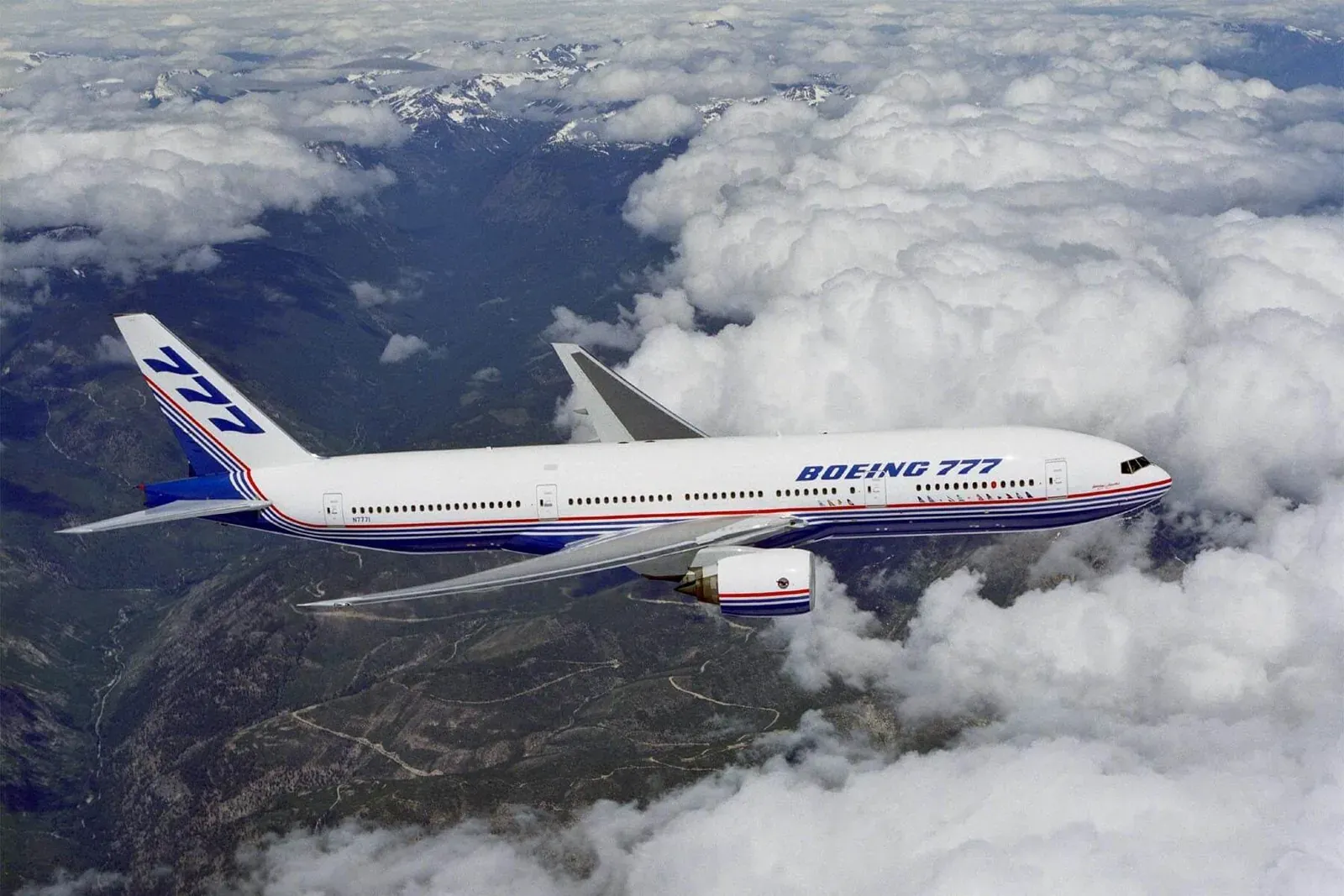
The longest flight in the world right now is Singapore Airlines from New York JFK to Singapore: about 15,350 km (9,540 miles), scheduled at 18 hours 50 minutes nonstop on an Airbus A350-900ULR. Its sister flight from Newark is a close second, only a few kilometers shorter.
The longest flights in the world 2026 all share one trait: you board while it’s light out, and by the time you land, you’ve lost track of what day it is twice. Close to 19 hours strapped into the same seat, one continent traded for another with nothing in between but ocean, ice, and the hum of the engines.
That’s not an exaggeration. The current record-holder covers about 9,540 miles without touching down once. Here’s the list of routes actually doing that right now, what it’s like to survive one, and what’s coming next.
The longest flights in the world right now
Distances are great-circle figures from Flightradar24’s tracking data, and the ranking counts only routes flown nonstop right now.
- New York (JFK) to Singapore: Singapore Airlines, Airbus A350-900ULR, about 15,350 km, scheduled at 18 hours 50 minutes.
- Newark to Singapore: Singapore Airlines, Airbus A350-900ULR, about 15,340 km, just a few kilometers shorter than JFK.
- London (Heathrow) to Perth: Qantas, Boeing 787-9, about 14,500 km. Only this direction flies nonstop right now: Perth to London currently stops in Singapore for fuel.
- Dallas/Fort Worth to Melbourne: Qantas, Boeing 787-9, about 14,470 km.
- Auckland to New York (JFK): Air New Zealand and Qantas, about 14,210 km.
Two familiar names have dropped off: Qatar Airways’ Doha to Auckland came back in June 2026 with a stop in Adelaide (Melbourne from December 9, 2026), and Qantas’s Paris flights now route via Singapore instead of Perth.
Singapore Airlines has held the top two spots for years now, and both run on the same aircraft: the A350-900ULR, the “Ultra Long Range” version built specifically to make routes this extreme pay for themselves. Every jet on that list is a twin, not a quad, cleared to fly this far from a diversion airport under the same ETOPS rules that let two engines do a four-engine’s job. Treat exact durations as approximate. Headwinds and tailwinds can shift the same route by half an hour or more depending on which direction you’re flying and what the jet stream is doing that week, the same physics that sends transpacific flights arcing up near the pole instead of going the way a flat map suggests. Curious about a route of your own? Our flight time calculator estimates the distance and duration between any two airports, and the arrival time calculator works out what local time, and what day, you’d actually land.
What flying that long actually feels like
Eighteen-plus hours is long enough that the flight stops feeling like a flight and starts feeling like a way of life. You eat twice, sometimes three times. You watch the cabin lights dim for a fake night, then brighten again for a fake morning that has nothing to do with what’s actually happening outside the window. Somewhere over the middle of an ocean you’ll catch a sunrise, and if the routing bends far enough, you might catch a second one before you land.
The crew feels it more than you do. Regulations cap how long any single set of pilots can stay at the controls, so flights this long fly with an augmented crew: extra pilots who rotate through a curtained rest area onboard, taking turns at the controls in shifts so two fresh sets of eyes are always up front for takeoff and landing, the two moments that matter most. Cabin crew do the same, sleeping in bunks tucked above the ceiling or behind a hidden door near the galley, most passengers never notice they’re there. It’s demanding, specialized work, and it pays like it: the pilots taking those shifts are all somewhere on aviation’s long climb from regional starting pay to a senior captain’s six figures.
And there’s often no economy cabin at all on the very longest of these. At this range, every extra pound of weight costs real fuel, so airlines fill the plane with fewer, higher-paying passengers instead of packing in cheap seats that don’t earn their keep.
What’s coming next: Project Sunrise
The list above isn’t the ceiling. Qantas has spent years working toward Project Sunrise: nonstop flights from Sydney to London Heathrow, planned from October 2027, and Sydney to New York after that. It hasn’t started flying yet. Qantas has twelve Airbus A350-1000ULRs on order for the job, a version of the A350 built to carry enough fuel to make the crossing on flights of up to 22 hours. That would make Sydney to London comfortably the longest flight in the world, a good three hours past Singapore’s current record.
Why airlines bother at all
Every route on this list exists for the same blunt reason: two cities far enough apart, and rich enough in demand, that skipping the usual layover through a hub like Dubai or Atlanta is worth the fuel bill. These flights are the visible edge of what a jet engine can currently manage, stretched taut between the far corners of the map. They’re not built to impress anyone. They’re built because, for a specific pair of cities, not stopping turns out to be worth the fifteen hours it takes to prove it.
FAQ
What is the longest flight in the world right now? As of 2026, it’s Singapore Airlines’ nonstop between New York JFK and Singapore, covering about 15,350 km (9,540 miles) on an Airbus A350-900ULR, scheduled at 18 hours 50 minutes. It’s held that top spot for several years running.
How do pilots stay rested on flights that long? Ultra-long-haul flights carry an augmented crew, extra pilots beyond the usual two, who rotate through a private rest area onboard in shifts. That way two alert pilots are always at the controls for takeoff and landing, while the others sleep through the cruise.
Which flight will be the longest once Project Sunrise launches? Qantas’s planned Sydney to London nonstop, due to launch in October 2027 on a modified Airbus A350-1000ULR. At up to 22 hours airborne, it would overtake Singapore to New York as the world’s longest scheduled passenger flight.
Why don’t these flights have an economy cabin? At extreme range, every pound of weight competes directly with fuel. Airlines on the very longest routes trade a full economy cabin for fewer, higher-paying business and premium seats, because that’s the only way the fuel math closes over 9,000-plus miles.
Read next
What Is the Busiest Airport in the World? (2026)
What is the busiest airport in the world? Atlanta, by a wide margin, moving over 106 million passengers a year. Here's why, and who's closing in.
Routes & NetworksWhy the World's Longest Flight Has No Economy Class
The world's longest flights run close to 19 hours nonstop. Why ultra-long-haul routes exist, why they keep dying, and why the longest one has no cheap seat.
Routes & NetworksWhy Airlines Fly Empty Planes on Purpose
Why airlines fly empty planes, and how ghost flights protect airport slots that can be worth more than the jet flying them. A rational move, not madness.
Liked this?
Get the next one in your inbox. Aviation explained for the people who never lost the wonder. One email, no noise.