
How Much Do Airline Pilots Make? The Real Range
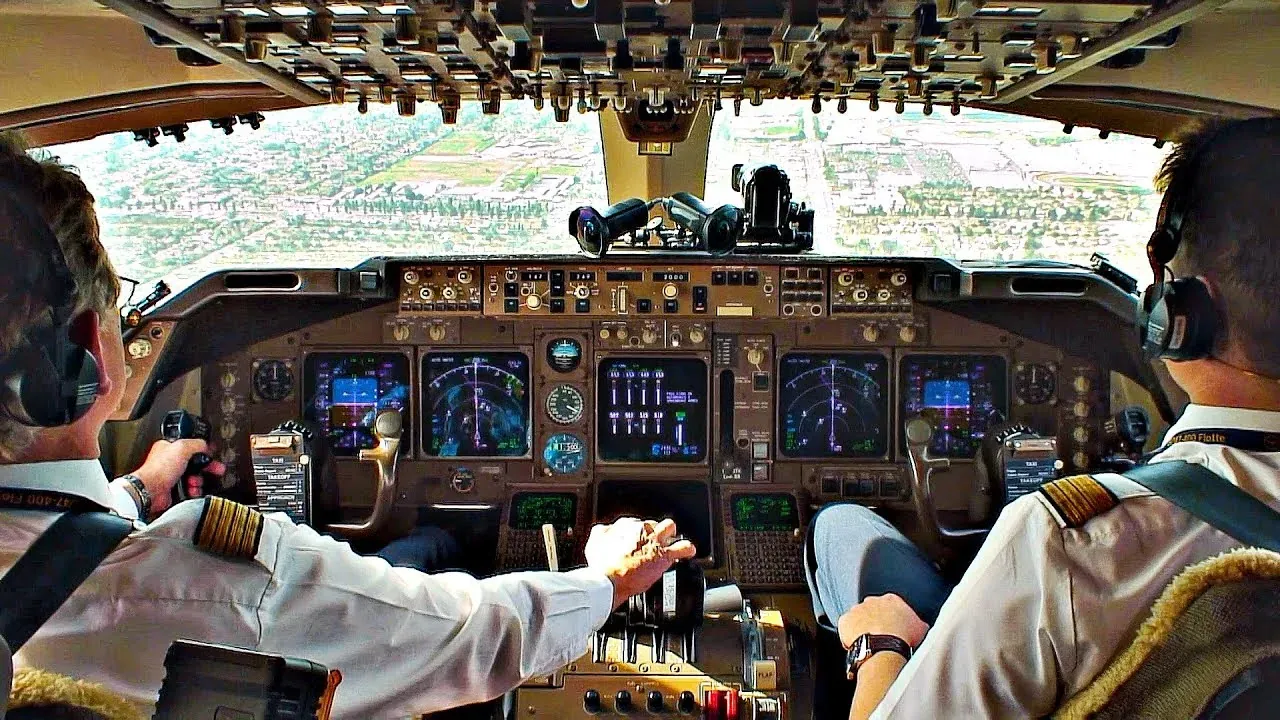
US airline pilots, copilots and flight engineers earned a median of $232,140 a year in May 2025, according to the Bureau of Labor Statistics. The lowest-paid 10 percent earned less than $106,710, and the top 10 percent earned more than $463,830.
That’s a fourfold spread inside one job title. A first-year regional first officer and a senior captain flying a 777 to Tokyo both call themselves airline pilots, and the gap between their paychecks comes down to three things: seniority, the size of the airplane, and which airline signs the check. So here’s the ladder, from the bottom rung to the top.
The Bottom of the Ladder: Regional First Officers
Almost every airline career starts at a regional carrier, flying smaller jets on routes that feed a major airline’s hub. For years that meant famously low pay. After Colgan Air Flight 3407 crashed near Buffalo in 2009, NTSB investigators calculated that its first officer had been paid just over $16,000 a year, a figure that stunned members of Congress at the hearings that followed.
That number is history. SkyWest, the largest US regional, now publishes a first-year first officer rate of $92.73 per flight hour. The BLS says airline pilots fly an average of 75 hours a month, so at that pace a first-year first officer earns roughly $83,000 a year before per diem and bonuses. A first-year SkyWest captain earns $144.24 an hour, roughly $130,000 a year at the same pace.
The Top of the Ladder: Senior Captains at the Majors
At the other end sit captains with long seniority at Delta, American and United, flying widebody jets on long-haul routes. Their pay jumped after 2023, when all three signed new pilot contracts. Delta’s alone, approved by its pilots in March 2023, raised pay by 34 percent over the life of the deal and added more than $7 billion in increases over four years.
That’s where the top of the BLS range lives. The highest-paid 10 percent of US airline pilots earn more than $463,830 a year, and at some airlines profit sharing comes on top. Nobody starts there. It takes years of climbing one airline’s seniority list.
How Pilots Actually Get Paid
Airline pilots are paid by the flight hour, at a rate set in their union contract, usually with a monthly minimum so a quiet month still pays. Three things set that hourly rate:
- Seniority. Every year at an airline moves a pilot up its pay scale. The BLS notes that raises and advancement follow the seniority system written into each collective bargaining contract.
- The airplane. Bigger jets pay more per hour, so a widebody captain out-earns a narrowbody captain at the same airline.
- The seat. Captains earn well above first officers on the same aircraft.
On top of the hourly pay comes per diem, an expense allowance the BLS says airline pilots receive for every hour they’re away from home.
The catch: seniority doesn’t transfer. A pilot who moves from a regional to a major starts at the bottom of the new airline’s list, whatever their experience. That’s why the climb takes so long, and why the best-paid pilots have usually spent years at one airline.
US Airline Pilot Pay at a Glance
| Where on the ladder | Pay |
|---|---|
| Regional first officer, first year (SkyWest) | $92.73 per flight hour |
| Regional captain, first year (SkyWest) | $144.24 per flight hour |
| Lowest 10% of US airline pilots | Under $106,710 a year |
| Median US airline pilot | $232,140 a year |
| Highest 10% of US airline pilots | Over $463,830 a year |
National figures: BLS, May 2025. Regional rates: SkyWest’s published pay scale, October 2026. Pilot pay moves whenever a new contract is signed, so treat this as a snapshot.
Outside the US
Pay abroad depends as much on the tax system as on the airline. Gulf carriers such as Emirates and Qatar Airways pay their pilots free of income tax, so a salary that looks similar on paper to a European one can leave far more in the bank. In fast-growing markets with lower wages overall, captains can earn a fraction of the US figure for the same job. The flag on the tail matters almost as much as the seat.
The Climb Is the Whole Story
So how much do airline pilots make? Anywhere from about $83,000 for a first-year regional first officer to well over $460,000 for a senior captain at a major, and both of them hold the same job title. What separates them is time: years on a seniority list, a bigger jet, and a contract that reset the pay scale along the way.
FAQ
How much do airline pilots make a year? The median US airline pilot earned $232,140 in May 2025, according to the BLS. The lowest 10 percent earned less than $106,710 and the highest 10 percent more than $463,830.
How much do beginner pilots make? A first-year first officer at SkyWest, the largest US regional airline, earns $92.73 per flight hour. At the 75 flying hours a month the BLS gives as the average, that’s roughly $83,000 a year before per diem and bonuses.
Do A380 or 777 pilots make more? Usually, yes. Airline pay scales pay more per hour on bigger aircraft, so a widebody captain earns more than a narrowbody captain at the same airline. Seniority and the airline set the rest.
Which airlines pay pilots the most? In the US, the big mainline carriers. Delta, American and United all signed new pilot contracts in 2023, and Delta’s alone raised pay by 34 percent over the life of the deal.
Is airline pilot pay hourly or a salary? Hourly. Pilots are paid for each flight hour at a rate set by their union contract, usually with a monthly minimum guarantee, plus per diem for time away from home.
Why did pilot pay rise so much recently? Airlines needed pilots, and the contracts show it. Delta’s pilots approved a contract in March 2023 with a 34 percent raise over its life and more than $7 billion in increases over four years, and American and United pilots signed new deals the same year. Regionals raised starting pay too: SkyWest now pays first-year first officers $92.73 an hour.
If you’ve ever wondered what’s actually happening on the other side of the flight deck door, from why those long-haul crews rotate through rest breaks to why your own ticket cost what it did, that’s exactly the kind of thing we send out. Sign up for the newsletter and we’ll keep explaining the parts of flying nobody tells you about.
Read next
Why the Person Next to You Paid Half
How airline pricing really works, and why plane tickets cost what they do. The seat next to you paid a fraction of your fare, and it isn't a glitch.
The IndustryWhy Airlines Sell More Seats Than They Have
Why do airlines overbook? Why airlines oversell flights on purpose, the cold statistics behind it, and how to make sure you're not the one who gets bumped.
How Flying WorksWhy Is British Airways Called Speedbird? Callsigns Explained
British Airways is called Speedbird after a 1932 Imperial Airways logo. Here's how that bird became BA's radio callsign, and how callsigns work.
Liked this?
Get the next one in your inbox. Aviation explained for the people who never lost the wonder. One email, no noise.