
Why Airlines Sell More Seats Than They Have
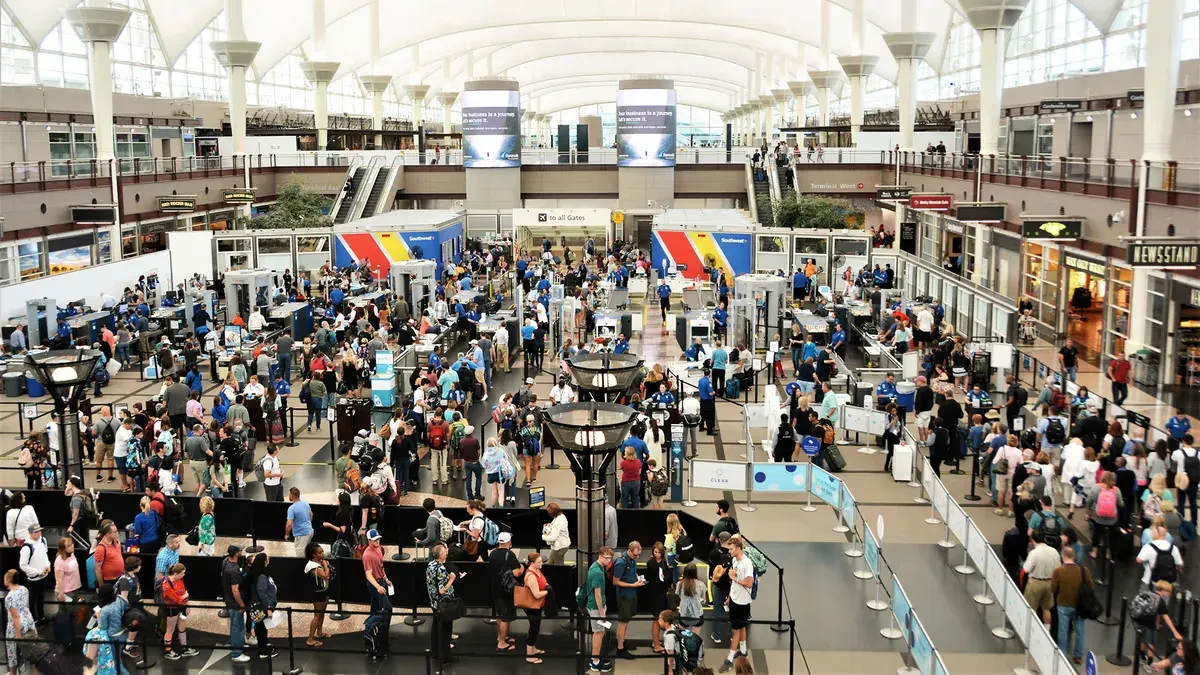
The announcement comes just before boarding, in that too-cheerful gate-agent voice: this flight is overbooked, and we’re looking for volunteers to take a later one. There’s a small ripple down the line. Somebody paid for a seat that, it turns out, might not exist. And the obvious question hangs in the air: why would an airline sell tickets to more people than the plane can hold?
It sounds like the purest kind of scam, selling something you don’t have. It isn’t. It’s arithmetic, and once you see the numbers behind it, the oversold flight stops looking like greed and starts looking like a bet the airline makes every single day, usually without anyone noticing.
It’s not a scam, it’s statistics
Start where all airline economics starts: with the fact that a seat is a perishable thing. The instant the cabin door closes, every empty seat on board is worth exactly zero, forever. That flight leaves, the seat goes with it, and no one will ever buy it again. You can’t warehouse it and sell it tomorrow. It just expires.
Now add the second fact. On any given flight, a chunk of the people who bought tickets simply don’t turn up. A connection ran late. A meeting moved. Somebody with a flexible fare decided the earlier flight looked better and switched. These are no-shows, and the crucial thing about them is that they’re predictable. Not for any one person, but across a whole plane, and across hundreds of flights on the same route, the pattern is remarkably steady.
So the airline faces a slow-motion problem. If it sells exactly as many tickets as it has seats, and the usual slice of passengers no-show, the plane leaves with empty seats that could have carried paying people. Revenue deleted from the universe. The fix is almost embarrassingly simple: sell a calculated few extra tickets to cover the no-shows you can reliably expect, and aim to have a full plane when the door shuts. Most of the time it works so cleanly that nobody in the cabin ever knows the math happened.
The math is smarter than you think
The number of extra seats isn’t a guess, and it isn’t the same for every flight. Airlines pull it from history: how this exact route, on this day of the week, in this season, has actually filled and emptied over years of departures. Britannica uses a clean version of the example. If roughly five people usually fail to show up for the Phoenix-to-Houston run, the airline sells about five extra tickets. Not fifty. Five.
And they’re smart enough to switch it off. When the airline knows a flight is going to go out full, because it’s a festival weekend, a big game, the last plane home before a holiday, it doesn’t overbook, because it knows almost everyone will show. No-show rates swing that way too: lower right before Christmas, when people really, truly intend to travel, and higher on a forgettable Tuesday.
The prediction has been getting better for years, which is why involuntary bumping has actually been trending down over time, not up. The better the forecast, the less often the bet misses. The system you’re inside of is more careful, and more boring, than the outrage headlines suggest.
What happens when it misses
Sometimes, though, the math is wrong. Fewer people no-show than expected, more passengers turn up than there are seats, and now the airline has a genuine problem at the gate. Here’s the part most people get backwards.
The airline doesn’t start hauling people off the plane. The standard process, and in many places the legally required one, is an auction. The gate agent asks for volunteers first, offering something in exchange: a travel voucher, cash, a hotel and a meal, a seat on the next flight. Plenty of people take the deal. Only if not enough hands go up does the airline move to involuntary “denied boarding,” the official term for being bumped against your will. The image of a passenger dragged down the aisle is a rare failure of that process, not the process itself.
If you are bumped involuntarily, compensation usually kicks in, and in a lot of the world it’s a passenger right, not a favor. But the specifics vary sharply depending on where you are. The United States has its own rules under the Department of Transportation, Europe runs on the regulation known as EU261, Canada has its own scheme again, and the payout often scales with how late the bump leaves you arriving. It can be substantial. It is not a single global number, so be suspicious of any article that quotes you one exact figure as if it applies everywhere.
How not to be the one who gets bumped
Here’s the useful part, the reason this is worth saving.
If a flight does get oversold, airlines generally don’t pick who to bump at random. A common rule of thumb is last to check in, first to be bumped. So the single easiest thing you can do is check in the moment the window opens, not at the gate. Having a confirmed seat assignment already attached to your name helps too, because you look like a settled passenger rather than a loose end. And frequent flyers with elite status are very rarely bumped involuntarily; the airline has every reason to keep its best customers happy.
Now the leverage flip. If your plans are loose, being bumped can be the best thing that happens to you all trip. When the agent asks for volunteers, the airline needs your seat, and that gives you a bargaining position. This is a negotiation, not a fixed menu. Vouchers, cash, upgrades, lounge access, a confirmed seat on the next flight, all of it can be on the table, and the offer often climbs if the first call for volunteers comes up short. If you’d rather have cash than a voucher that expires in a year, say so. The worst they can do is say no.
Is it fair?
There’s a real argument here, and it’s worth hearing both sides honestly. Critics say the whole practice is indefensible: an airline shouldn’t sell a seat it can’t promise you, full stop. If you paid, you should fly, and no clever forecast changes that.
Defenders point at the empty seats. Overbooking fills planes that would otherwise fly with gaps, and a fuller plane means a lower cost per passenger, which, the argument goes, helps keep fares lower than they’d otherwise be for everyone. Both positions have merit, and the practice clearly isn’t going anywhere. What’s telling is the direction regulation has taken. Lawmakers didn’t ban overbooking. They built rules to protect the people who get bumped, compensation, volunteers first, clear passenger rights. The response to the problem was to make it fairer, not to make it illegal.
The invisible bet
So the oversold flight isn’t chaos, and it isn’t a con. It’s a statistical wager the airline places hundreds of times a day: read the route’s history, sell a few extra seats to cover the no-shows it can see coming, and aim for a plane that leaves exactly full. Most of the time the bet lands so perfectly that everyone gets a seat and never learns how close the count was. You only ever notice the rare miss, standing at the gate, listening for volunteers. Behind that one awkward moment is a machine that quietly gets it right almost every other time.
Read next
How Much Do Airline Pilots Make? The Real Range
US airline pilots earned a median of $232,140 in May 2025, per the BLS. Here's the full range, from a regional first officer to a senior captain.
The IndustryWhy the Person Next to You Paid Half
How airline pricing really works, and why plane tickets cost what they do. The seat next to you paid a fraction of your fare, and it isn't a glitch.
How Flying WorksWhy Is British Airways Called Speedbird? Callsigns Explained
British Airways is called Speedbird after a 1932 Imperial Airways logo. Here's how that bird became BA's radio callsign, and how callsigns work.
Liked this?
Get the next one in your inbox. Aviation explained for the people who never lost the wonder. One email, no noise.