
Why Is British Airways Called Speedbird? Airline Callsigns Explained
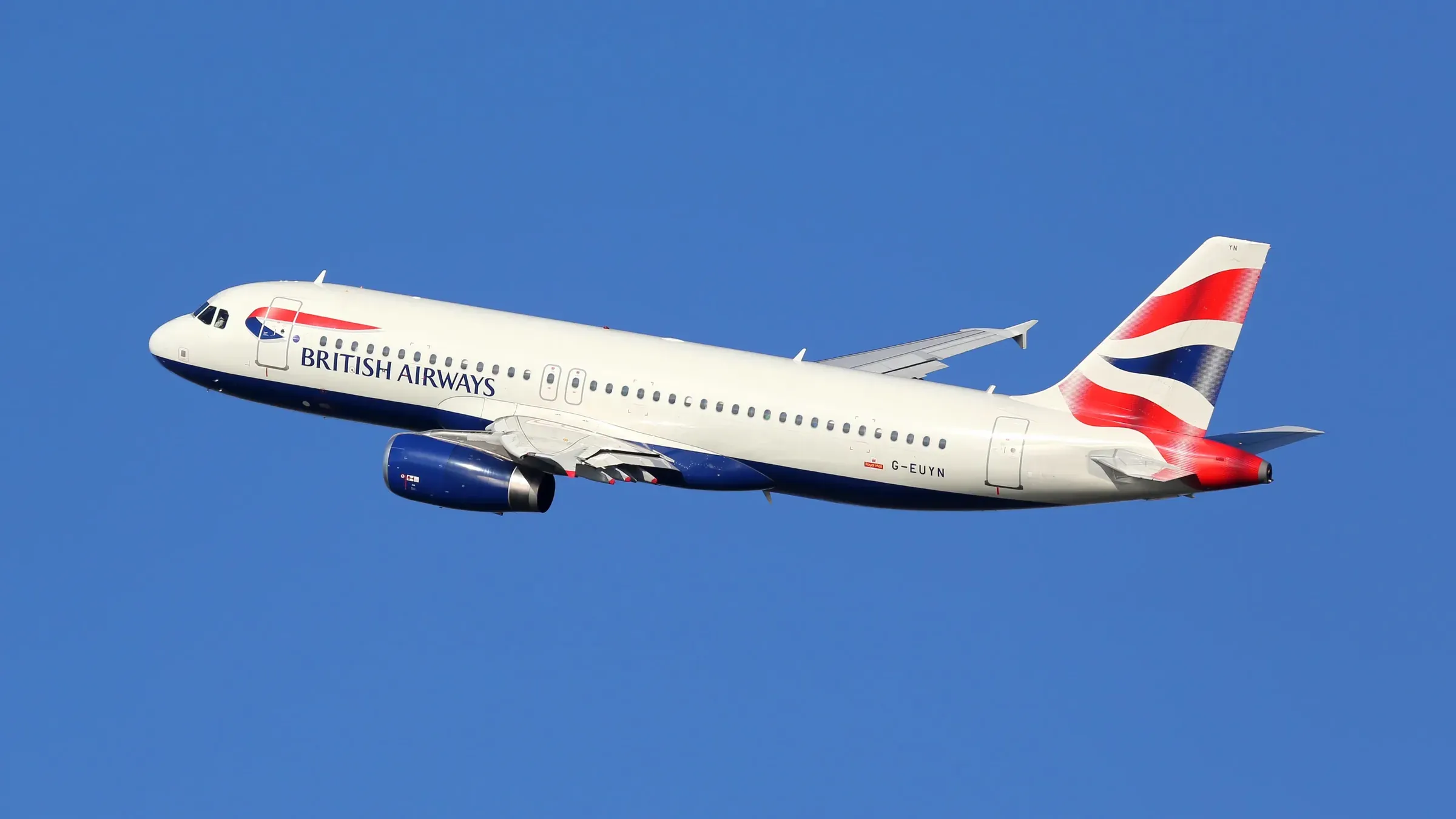
British Airways is called Speedbird because of a logo. In 1932 the designer Theyre Lee-Elliott drew a stylized bird in flight for Imperial Airways, and the name later became the radio callsign BA still answers to today.
You’re half-listening to a live air traffic control feed, the kind of background noise a certain type of person finds soothing, when a voice cuts through the static: “Speedbird two eight six, contact London control.” Speedbird. That’s British Airways, answering to a name older than the airline itself. Airline callsigns explained is exactly the search you run next, because that plane is definitely British Airways and it just answered to a completely different name.
That word is the plane’s official radio identity, as formal as its flight number, and every airline flying today has one. Some are dead sensible. A few are so charming they’re worth knowing just for the delight of it.
Why Is British Airways Called Speedbird?
The full story starts almost a century ago, and it isn’t even originally British Airways’ story.
What Does Speedbird Mean?
In 1932, the artist Theyre Lee-Elliott designed a stylized bird-in-flight emblem for Imperial Airways, the airline connecting Britain to its empire. They called it the Speedbird, and from then on it appeared across all of the airline’s material. British Airways’ own heritage guide traces the radio name straight back to that 1932 logo.
Imperial Airways later merged into British Overseas Airways Corporation, BOAC, in 1939, and the Speedbird came along with it. In 1974 BOAC and British European Airways merged to form modern British Airways, and the bird’s name survives as BA’s radio identifier. Nearly a hundred years and two mergers later, British Airways is still answering to the name of a 1930s logo.
What a callsign actually is
A callsign is what air traffic control uses to talk to a specific flight over the radio. It’s usually the airline’s telephony name (the word spoken on air) plus the flight number, so British Airways flight 286 gets read out as “Speedbird 286.” Each telephony name is formally assigned and published, listed in the FAA’s Contractions order next to the airline’s three-letter code.
That’s easy to mix up with the other two ways a plane gets identified, so it’s worth being precise. The flight number is the route label printed on your ticket, something like BA286, and it changes depending on the day and the route. The registration is the permanent tail number painted on the airframe itself, the one that follows that specific plane for its entire life no matter which route it’s flying, and every country gets its own prefix. The callsign is the third thing: the spoken name for that one flight, right now, on the radio, and it usually dies with the flight plan once the aircraft lands. Three different jobs, three different codes, one airplane.
A tour of the best callsigns in the sky
Once you know to listen for them, callsigns turn into one of aviation’s best-kept secrets. Airlines pick names tied to their history, their homeland, or just something that sounds good barked over static at 2am.
| Airline | Callsign |
|---|---|
| British Airways | Speedbird |
| Aer Lingus | Shamrock |
| China Airlines | Dynasty |
| Cathay Pacific | Cathay |
| Brussels Airlines | Bee-Line |
| SAS | Scandinavian |
| Virgin Atlantic | Virgin |
| South African Airways | Springbok |
Aer Lingus answering to “Shamrock” is about as on-the-nose as national branding gets, and it works precisely because it’s unapologetic about it. China Airlines calling itself “Dynasty” turns every single radio call into a tiny piece of theater. South African Airways has flown as “Springbok” since the 1930s, named for the animal on the national rugby jersey long before the airline even had its current name. Brussels Airlines answering to “Bee-Line” might be the most purely delightful one on this list: a Belgian airline whose radio name is a pun about the shortest path between two points.
This is nowhere near the full list of airline callsigns out there. Every carrier with an ICAO code has one, and once you start noticing them, you can’t stop. When you want the rest, the full A to Z list of airline callsigns has every one the FAA publishes, searchable by name or code.
Next time you hear one, you’ll know
Catch a snippet of ATC audio, glance at a flight tracking app, or overhear a pilot on a layover, and you’ll now know the real name that plane answers to. Up there, British Airways answers to Speedbird, the name of an emblem drawn almost a century ago.
Or paste the airline code straight into our decoder tool and get the callsign without digging through a list.
FAQ
What is an airline callsign? It’s the spoken radio identity air traffic control uses for a flight, typically the airline’s telephony name plus the flight number, like “Speedbird 286.” It exists purely for voice communication over the radio.
What is the difference between a callsign and a flight number? The flight number, like BA286, is the route label used for booking and scheduling, the written code on your ticket and the departures board. The callsign is how that same flight gets said out loud to air traffic control: “Speedbird 286.” Same flight, two different codes for two different jobs.
Why do airlines have special callsigns instead of just using their name? Clarity and speed. Radio channels are noisy and controllers need to say a lot in a few words, so a short, distinctive telephony name that can’t be confused with a similar-sounding airline matters more than sounding formal. Many of these names also predate modern branding entirely and simply stuck.
Does every airline have a unique callsign? Every airline with an ICAO code gets one assigned, and ICAO works to avoid handing out names that sound alike on the radio. Some of these names are older than the airlines using them: Speedbird began as Imperial Airways’ logo and carried on into British Airways.
Read next
How High Do Planes Fly? Cruising Altitude, Explained
Most airliners cruise between 31,000 and 42,000 feet, often near 35,000 feet, about 10.7 km up. Here's why that band exists and what caps it.
How Flying WorksWhat Does Mayday Mean? Origin, Pan-Pan and Squawk 7700
Mayday is the radio call for grave and imminent danger, said three times. Where the word comes from, plus what pan-pan, heavy, and squawk really mean.
How Flying WorksAirline Callsigns List: Every Radio Name, A to Z
British Airways is Speedbird, Air France is Airfrans, Aer Lingus is Shamrock. Search every airline callsign on the official FAA list, A to Z.
Liked this?
Get the next one in your inbox. Aviation explained for the people who never lost the wonder. One email, no noise.