
How High Do Planes Fly? Cruising Altitude, Explained
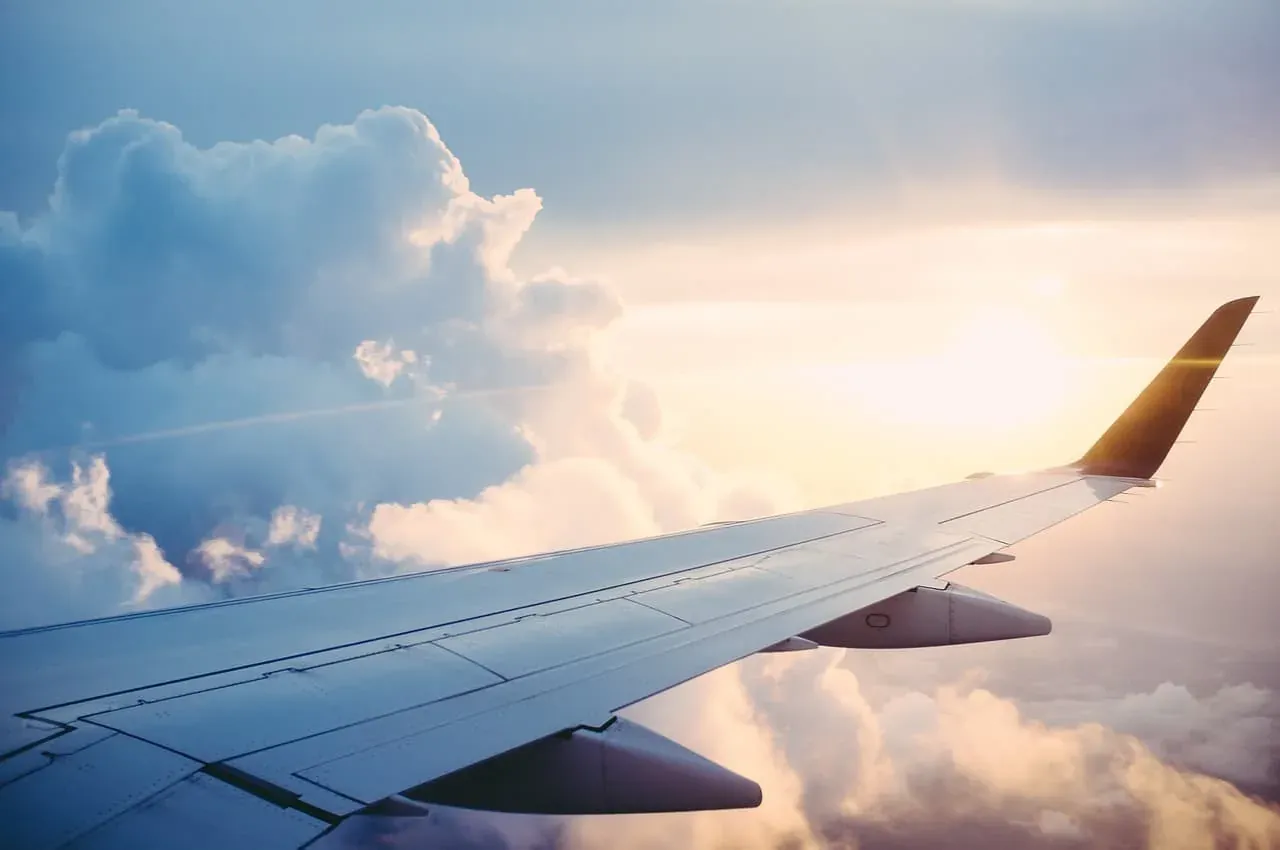
Most airliners cruise between 31,000 and 42,000 feet, most often around 35,000 to 38,000 feet, which is roughly 10.7 to 11.6 km up. That puts you well above Mount Everest on an ordinary flight.
That’s higher than most people picture, even the ones who fly all the time. The full band runs roughly 9.4 to 12.8 km, call it 6 to 8 miles of air beneath you. Everest tops out at 29,032 feet, so a routine flight to nowhere exotic clears the highest point on the planet with room to spare.
That altitude isn’t random, and it isn’t the limit either. There’s a real ceiling above cruise, a point where the physics simply stop cooperating, and a run of aircraft, business jets, Concorde, spy planes built for the Cold War, that push well past where any airliner is allowed to go. Here’s the whole shape of it, top to bottom.
Why 35,000 Feet, Specifically
Ask a pilot why planes cruise at 35,000 feet and you’ll usually get a shrug and “that’s just where it works best.” Which is true, and worth unpacking.
Down at sea level, air is thick. That’s great for a wing, plenty to bite into for lift, but it also means the whole airplane is shoving through a wall of resistance the entire time, burning fuel just to push the molecules out of the way. Climb, and the air thins out fast. Less resistance, called drag, means the engines can do the same job on a lot less fuel. Thinner air costs less fuel. That’s the entire reason cruising altitude sits so high. Airlines climb that high for the math.
There’s a second reason, and it’s the one passengers actually feel: weather. Nearly all of it, the thunderstorms, the turbulence, the towering clouds that build on a hot afternoon, lives below about 20,000 feet. Get up around 35,000 feet and you’re cruising above most of that mess, in air that’s typically calmer and colder. The FAA’s pilot handbook puts the average cooling at about 2 °C for every 1,000 feet you climb. Smoother ride, fewer detours, and one more reason the number keeps landing in that same 35,000 to 38,000 foot band flight after flight.
What Does FL350 Mean?
FL350 is shorthand for flight level 350. A flight level is altitude in hundreds of feet, measured with the altimeter set to standard pressure: 29.92 inches of mercury, or 1013.25 hectopascals. So FL350 means 35,000 feet on that standard setting.
- Sea level: 0 ft
- Mount Everest: 29,032 ft
- Airliner cruise band: 31,000 to 42,000 ft
- ISA tropopause: 36,089 ft (real height varies with latitude and season)
- Business jets: up to 51,000 ft
- Concorde: up to 60,000 ft
The Invisible Ceiling
So if thinner air is better, why not just keep climbing? Why not cruise at 60,000 feet and save even more fuel?
Two things stop that, and they both trace back to one fact: an engine needs air to breathe. Jet engines work by sucking air in, compressing it, mixing it with fuel, and burning it. Climb high enough and the air thins to the point there simply isn’t enough of it left to keep that process working, so the engines can’t produce enough thrust to climb any further, let alone cruise there comfortably. That highest point a given aircraft can reach is called its service ceiling, and the certified maximum for today’s airliners runs from about 39,100 to 43,100 feet.
The second problem is stranger, and pilots have a name for it: coffin corner. At extreme altitude, thin air means a plane has to fly close to its maximum safe speed just to generate enough lift to stay up. The same thin air also lowers the speed at which it would break apart or lose control from going too fast. Climb high enough and those two numbers, too slow to stay airborne and too fast to fly safely, close in on each other until there’s only a whisker of safe speed between them. That’s why airliners cruise with a margin below their absolute ceiling. It’s also, incidentally, the same slice of sky where you’ll see contrails forming behind the engines, cold, thin air turning hot exhaust into a trail of ice almost instantly.
None of that thin, freezing air actually reaches you, though. The cabin is pressurized to feel like roughly 6,000 to 8,000 feet, closer to a mountain town than the near-vacuum outside the window, which is why you can sit there in a t-shirt while the air a few feet away sits around minus 50 degrees Celsius.
Higher Still: The Extremes
Airliners stop around 39,100 to 43,100 feet because that’s where the math and the passengers both make sense. Take away the economy-class cabin and the calculation changes.
Business jets routinely cruise higher than the airliner in the next lane over, often 41,000 to 45,000 feet, with a handful of the fastest models certified up to 51,000 feet. Smaller, lighter, fewer people to keep comfortable, and a customer willing to pay for the smoother, faster ride that altitude buys.
Then there’s Concorde, which broke the whole scale. Cruising near 60,000 feet at twice the speed of sound, Concorde flew high enough for passengers to see the curve of the Earth against black sky, a view no ordinary airliner passenger has ever gotten to keep.
Above even that sits a small, strange category built for one job: watching from somewhere nobody can touch you. The Lockheed U-2 spy plane cruises around 70,000 feet, so high its pilots wear something close to a spacesuit. Its successor, the SR-71 Blackbird, flew higher still and set the record for sustained altitude in level flight at over 85,000 feet, more than double what any passenger jet will ever see. That’s cruising above almost everything.
How High Each Jet Is Allowed to Fly
Every jet has a certified maximum operating altitude, the highest it’s allowed to fly, and airlines usually cruise below it.
| Aircraft | Max Operating Altitude |
|---|---|
| Airbus A320 | 39,100 ft (39,800 ft with a later modification) |
| Boeing 737-800 and 737 MAX 8 | 41,000 ft |
| Boeing 787-9 | 43,100 ft |
| Airbus A350-900 | 43,100 ft |
| Gulfstream G650 | 51,000 ft |
| Concorde (retired 2003) | 60,000 ft |
Plug any of these altitudes into the Mach converter to see how fast Mach 1 is at each height, or into the airspeed converter to see how the speed on the cockpit dial turns into true speed up there.
Next Time You’re at the Window
Next time you’re pressed against the glass somewhere over the ocean, watching the ground disappear into haze, you’ll know exactly how far down the world really is. Six or seven miles of empty, frozen air between you and the ground, most of the atmosphere already sitting below the wing, and a whole tier of stranger aircraft cruising higher still that you’ll never see from down there. That’s most of the sky.
FAQ
Why Do Planes Cruise at 35,000 Feet? Because that band of altitude offers the best trade-off available: thin enough air to cut drag and save serious fuel, but not so thin that the engines struggle, and it sits above nearly all of the weather that makes lower flying rough.
How High Do Planes Fly, in Feet? Most commercial flights cruise between about 31,000 and 42,000 feet, with 35,000 to 38,000 feet being the most common range for long-haul jets.
What Is the Highest a Passenger Plane Can Fly? Most modern airliners are certified to about 41,000 to 43,100 feet. Business jets like the Gulfstream G650 are certified to 51,000 feet, and Concorde, the exception that broke every rule, was certified to 60,000 feet.
Why Is the Cabin Pressurized If the Plane Is Already So High? Because the real air at cruise altitude is far too thin to breathe and dangerously cold. Pressurizing the cabin to feel like roughly 6,000 to 8,000 feet keeps passengers comfortable without needing an oxygen mask for a routine flight.
Read next
Why Is British Airways Called Speedbird? Callsigns Explained
British Airways is called Speedbird after a 1932 Imperial Airways logo. Here's how that bird became BA's radio callsign, and how callsigns work.
How Flying WorksWhat Does Mayday Mean? Origin, Pan-Pan and Squawk 7700
Mayday is the radio call for grave and imminent danger, said three times. Where the word comes from, plus what pan-pan, heavy, and squawk really mean.
How Flying WorksAirline Callsigns List: Every Radio Name, A to Z
British Airways is Speedbird, Air France is Airfrans, Aer Lingus is Shamrock. Search every airline callsign on the official FAA list, A to Z.
Liked this?
Get the next one in your inbox. Aviation explained for the people who never lost the wonder. One email, no noise.