
Why Do Your Ears Pop on a Plane? (And How to Stop It)
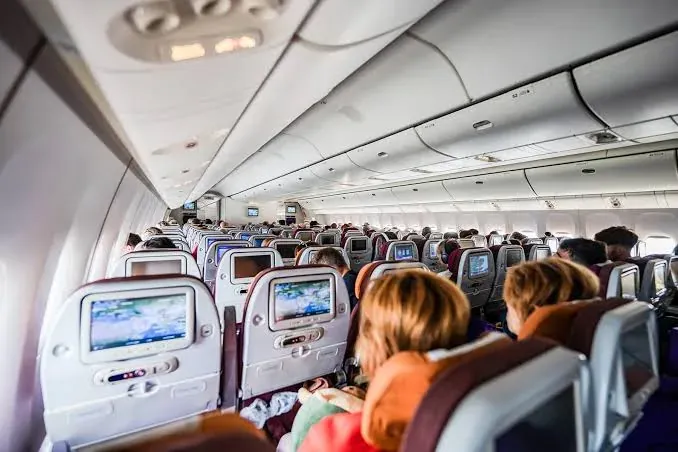
Why do your ears pop on a plane? That tight, muffled, someone-turned-down-the-world feeling that hits on the way up and again on the way down. Everyone who has ever flown knows it. Almost nobody knows why it happens or what to actually do about it beyond yawning and hoping.
It’s not a fluke of your ears being sensitive. It’s physics, and it’s happening to every single person on the plane, every single flight. Here’s what’s really going on up there, and the handful of tricks that make it stop.
Your middle ear is a sealed pocket of air
Behind your eardrum sits a small air-filled chamber called the middle ear. Under normal, ground-level conditions, the air pressure in that chamber matches the air pressure outside your head, and you never think about it once.
That chamber connects to the back of your throat through a narrow channel called the Eustachian tube. Most of the time it stays closed. It only opens for a moment when you swallow, yawn, or chew, and that brief opening is what lets air flow in or out to keep the pressure on both sides of your eardrum matched. When the pressure inside that little pocket and the pressure outside it start to drift apart, your eardrum gets pulled slightly one way, and that’s the stuffed, muffled feeling setting in. The pop is the Eustachian tube finally opening and letting air rush through to even things back out.
Why this happens at all: the cabin isn’t sea level
Here’s the part people miss: none of this would happen if the cabin actually held sea-level pressure the whole flight. It doesn’t. Airliners fly at cruising altitudes around 35,000 feet, where the outside air is far too thin to breathe, so the fuselage is pressurized to keep everyone comfortable. But it’s only pressurized to feel like roughly 6,000 to 8,000 feet, closer to a mile-high mountain town than to the ground you took off from.
That means as the plane climbs, cabin pressure is genuinely dropping, and as it descends, cabin pressure is genuinely climbing back up. Your body isn’t imagining a pressure change. It’s tracking a real one, the same kind you’d feel driving up a mountain pass, just compressed into minutes instead of an hour. The same pressurized cabin that lets the outer window pane do its job is the reason your ears have anything to equalize at all.
Why the descent hurts more than the climb
Climbing, the air pressure outside your middle ear drops, so the higher-pressure air trapped inside needs to push its way out through the Eustachian tube. That direction is easy. The tube more or less opens itself.
Descending is the opposite problem, and it’s the harder one. Cabin pressure is rising as the plane comes down, so now the tube has to pull outside air in against that climbing pressure to equalize the pocket behind your eardrum, and that direction takes more active effort from the tube. Add any swelling from a cold, allergies, or congestion and the tube can struggle to open at all, which is exactly why a head cold before a flight turns an ordinary descent into a genuinely painful one. That’s airplane ear in its rawest form: pressure trying to equalize through a passage that’s fighting the direction of flow.
How to stop your ears from popping on a plane
The fixes all do the same thing: trigger that little muscle action that pries the Eustachian tube open on command instead of waiting for it to open on its own.
Swallow, on purpose, often. Swallowing pulls on the muscles around the Eustachian tube and pops it open for a beat. Water, a sip of anything, works better than nothing at all.
Yawn for real. An exaggerated yawn engages the same muscles even more than a swallow does, which is why your ears often clear the moment you fake one hard enough to feel your jaw stretch.
Chew gum or a hard candy. Constant, repetitive chewing keeps you swallowing without having to think about it, which is the whole reason flight attendants have been handing out mints on descent for decades.
Try the gentle Valsalva maneuver. Pinch your nose shut, close your mouth, and blow gently, just enough to feel slight pressure build in your head. This forces air up the Eustachian tube directly. Keep it gentle: a hard blow can do more harm than good.
Stay awake for the descent. You swallow far less often while asleep, so ears that were fine at cruise can end up badly blocked by landing. If you can, set an alarm for descent.
For a baby or toddler, have them nurse, bottle-feed, or suck on something during climb and descent. Infants can’t intentionally pop their own ears, but sucking and swallowing does the job for them just as well.
If ear pain is severe, doesn’t ease after landing, or comes with real hearing loss, that’s worth a visit to a doctor rather than waiting it out. For the ordinary pop and pressure everyone feels, these tricks are usually all it takes.
The pop is just your body keeping up with the sky
That pop isn’t a flaw in your ears and it isn’t random. It’s your body doing exactly what it’s supposed to do, keeping pace with a real pressure change happening a few feet outside the fuselage. Now you know why it happens, and you’ve got half a dozen ways to stay ahead of it. Next flight, start swallowing on the way down before you feel anything at all, and there’s a decent chance you never notice the descent happened.
FAQ
How do I stop my ears popping on a plane? Swallow often, yawn on purpose, chew gum, or try a gentle Valsalva maneuver: pinch your nose and blow softly. All of them force the Eustachian tube open and let pressure equalize before it builds up enough to hurt.
Why do my ears hurt more on landing? Because descent means cabin pressure is rising, and your Eustachian tube has to pull outside air into your middle ear against that rising pressure. That direction takes more effort than the climb does, and congestion from a cold makes it harder still.
Why do your ears pop on a plane in the first place? Because the cabin is pressurized to feel like about 6,000 to 8,000 feet, not sea level, so real pressure changes happen as the plane climbs and descends. Your ears pop when the Eustachian tube opens to match the pressure in your middle ear to the pressure around you.
Is airplane ear dangerous? Usually it’s just uncomfortable, not dangerous. But if you get severe or lasting pain, or notice real hearing changes after a flight, see a doctor rather than assuming it’ll resolve on its own.
If a friend’s ever asked you why this happens mid-flight, you now have the actual answer. Sign up for the newsletter and we’ll keep sending you the ones you didn’t know you wanted explained.
Read next
Why Is British Airways Called Speedbird? Callsigns Explained
British Airways is called Speedbird after a 1932 Imperial Airways logo. Here's how that bird became BA's radio callsign, and how callsigns work.
How Flying WorksHow High Do Planes Fly? Cruising Altitude, Explained
Most airliners cruise between 31,000 and 42,000 feet, often near 35,000 feet, about 10.7 km up. Here's why that band exists and what caps it.
How Flying WorksWhat Does Mayday Mean? Origin, Pan-Pan and Squawk 7700
Mayday is the radio call for grave and imminent danger, said three times. Where the word comes from, plus what pan-pan, heavy, and squawk really mean.
Liked this?
Get the next one in your inbox. Aviation explained for the people who never lost the wonder. One email, no noise.